Tag: grief

  • What Was Left of Me

    What Was Left of Me

    For a long time, I thought healing would look like getting over it.

    Getting over infertility.

    Getting over the babies who left.

    Getting over foster care.

    Getting over the life I had pictured so clearly that sometimes it felt less like a dream and more like a memory from a future I had somehow lost.

    I thought one day I would wake up and none of it would hurt anymore.

    I would hear a pregnancy announcement and feel only happiness.

    I would walk past the baby aisle without noticing the rows of tiny socks, soft blankets, and bottles lined neatly beneath fluorescent lights.

    I would see a double stroller and not remember the familiar weight of my hands wrapped around the handle, the squeak of the wheels against the sidewalk, or two sleepy little faces tucked beneath the shade.

    I would stop wondering how old they were now.

    I would stop doing the math.

    But grief doesn’t work that way.

    At least mine didn’t.

    It didn’t pack a suitcase, close the door behind itself, and leave.

    It moved into quieter rooms.

    It stopped shouting and learned how to whisper.

    And eventually, so did I.

    The Life I Kept Waiting For

    For years, so much of my life felt like waiting.

    Waiting for a positive pregnancy test.

    Waiting for answers.

    Waiting for treatments to work.

    Waiting for the phone to ring about a foster placement.

    Waiting to find out whether a child would stay.

    Waiting for court dates and decisions made in rooms I wasn’t sitting in.

    Waiting to know if I was finally going to get to keep the thing I loved.

    I became very good at waiting.

    I knew the strange weight of silence when it didn’t.

    I knew how hope could make an ordinary day feel electric, as if something life-changing might happen at any moment.

    And I knew how quickly that electricity could disappear.

    What I wasn’t very good at was living while I waited.

    There was always an imaginary version of my life somewhere ahead of me, glowing just beyond my reach.

    The version where everything finally worked out.

    Where there were little shoes by the door.

    Crumbs beneath the kitchen table.

    Bath toys drying along the edge of the tub.

    Someone calling for me from another room.

    The version where I became the mother I thought I’d be.

    I kept believing that once I reached her, then my real life would begin.

    But she kept moving farther away, like the horizon—visible enough to chase, impossible to touch.

    Eventually, I had to ask myself a question I didn’t want to ask.

    What if this is my life?

    Not the waiting room.

    Not the chapter before everything gets fixed.

    Not the temporary version I had to endure until the real story started.

    My actual life.

    Could I live it?

    More than that, could I learn to love it?

    Could I stop treating the life I had as the consolation prize for the life I wanted?

    Who Was I Without Motherhood?

    That question was harder than I expected.

    Because somewhere along the way, motherhood had stopped being something I wanted and had become part of how I understood myself.

    I had prepared for it.

    Prayed for it.

    Grieved it.

    Fought for it.

    And, for a little while, lived it.

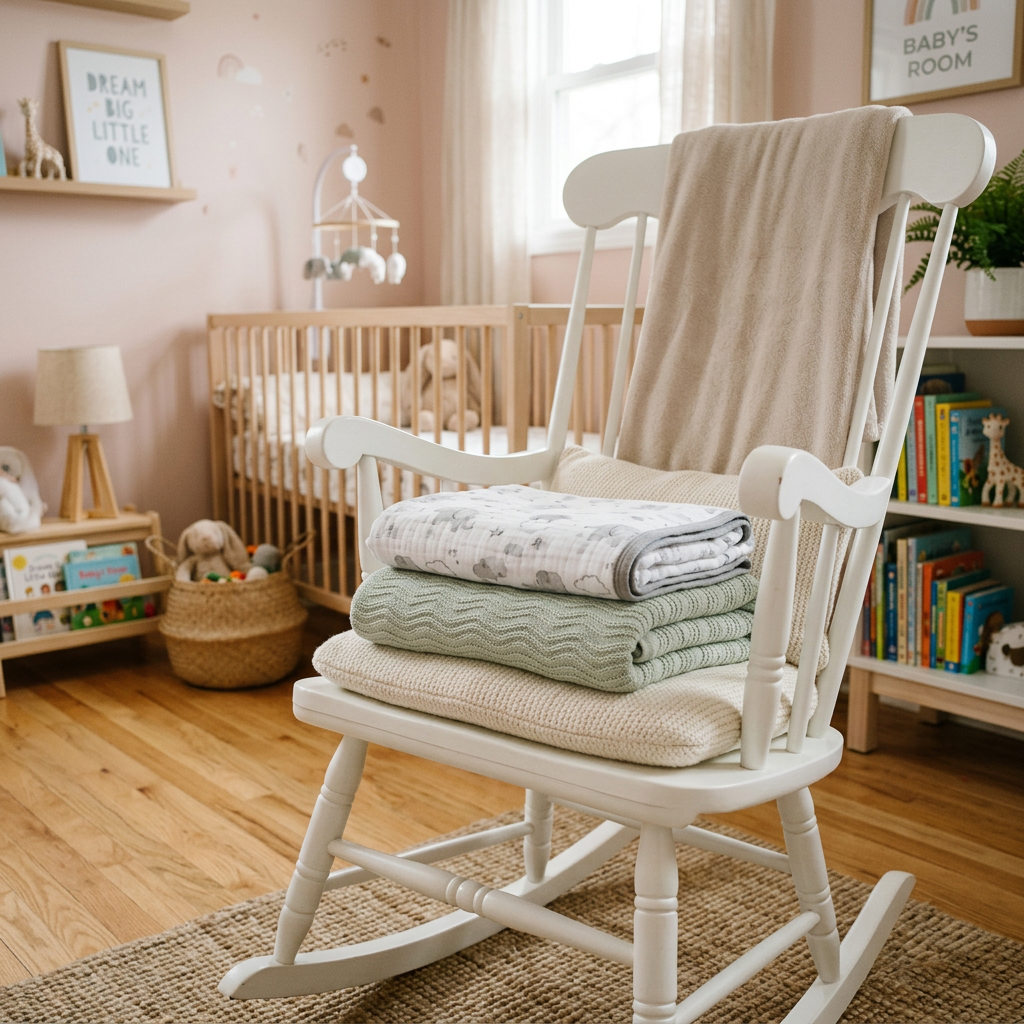
    I had warmed bottles in the blue-gray darkness of early morning, standing barefoot in the kitchen while the rest of the house slept.

    I had rocked babies against my chest and felt their bodies slowly become heavier as sleep took over.

    I had smelled baby shampoo on damp hair.

    I had washed tiny socks that somehow disappeared in the laundry.

    I had packed diaper bags until I could do it without thinking.

    Bottles.

    Wipes.

    Diapers..

    One more outfit because you always needed one more outfit.

    I had learned the strange language of cries.

    Hungry.

    Tired.

    Wet.

    Scared.

    Hold me.

    I had been needed in the most ordinary, exhausting, beautiful ways.

    And then the babies left.

    Eventually, foster care ended too.

    The bottles disappeared from the counter.

    The tiny clothes stopped tumbling through the dryer.

    The car seats were gone.

    The house, once filled with crying and laughter and the constant hum of caring for someone, became so quiet I could hear the refrigerator running from the next room.

    And I was left standing inside that silence wondering what all of it made me now.

    Was I a mother?

    Was I not a mother?

    Was I something in between?

    There wasn’t a neat word for it.

    There still isn’t.

    The Space Between the Words

    People like categories.

    Mother.

    Not a mother.

    But some of us have lived in the space between those words.

    We have mothered children we didn’t give birth to.

    Loved children we weren’t allowed to keep.

    Kissed foreheads.

    Changed diapers.

    Sat beside cribs listening for breathing.

    Memorized favorite foods, bedtime routines, and the exact way a small body curled against us when it finally felt safe enough to sleep.

    We made room in our homes and in our hearts knowing there was always a possibility that one day someone would come and take the car seat, the clothes, the bottles—

    and the child.

    Then the door would close.

    And somehow the room would still smell like baby lotion.

    A forgotten sock might still be underneath the couch.

    A sippy cup might still be sitting in the dishwasher.

    Evidence that someone had been there.

    Evidence that love had lived there.

    When Stopping Felt Like Failing

    For a while, stopping foster care felt like another failure.

    I didn’t say that out loud very often.

    But I felt it.

    I had already failed to get pregnant.

    At least, that’s how it felt then.

    My body hadn’t done what I believed it was supposed to do.

    Month after month, hope rose inside me only to disappear again.

    Each disappointment felt like another door closing.

    Then foster care became another path toward motherhood.

    Maybe this was how I would get there.

    But eventually, I couldn’t keep doing that either.

    And that brought another question I didn’t want to face.

    What did that say about me?

    I knew all the reasonable answers.

    I knew infertility wasn’t a personal failure.

    I knew foster care was never supposed to be a replacement for having biological children.

    I knew recognizing my limits was responsible.

    I knew children deserved caregivers who had the emotional capacity to meet them where they were.

    I knew all of that.

    But knowing something in your head and believing it about yourself can be miles apart.

    Deep down, there was still a voice saying:

    You couldn’t do this either.

    For a long time, those words followed me like a shadow.

    Learning That Love Has Limits

    Over time, though, I began to understand something I couldn’t see while I was in the middle of it.

    Stopping wasn’t the same as failing.

    Sometimes stopping is what happens when you finally tell yourself the truth.

    I wasn’t okay.

    And pretending I was okay wasn’t helping anyone.

    Not me.

    Not my husband.

    Not the children who came through our home.

    I had believed love should be enough.

    If I loved hard enough, stayed patient enough, sacrificed enough, learned enough—surely I could keep going.

    But love isn’t magic.

    Love couldn’t erase trauma.

    Love couldn’t undo what happened to a child before they came through my door.

    And love couldn’t turn me into the person I thought I was supposed to be.

    Sometimes love meant staying.

    But sometimes love also meant knowing when I had reached my limit.

    That was one of the hardest things I ever had to accept.

    The Grief Nobody Could See

    There is a particular kind of loneliness in grieving a life that never happened.

    There are no photographs of it.

    No funeral.

    No anniversary everyone remembers.

    No empty chair anyone else recognizes.

    No one sends flowers for the baby you never had.

    No one knows that a certain month hurts because that was when you thought you’d have a newborn sleeping beside your bed.

    No one realizes that a child’s birthday can make you pause in the middle of an ordinary day and wonder how old your own child might have been.

    And when foster care is part of your story, the grief becomes even harder to explain.

    Because the children are alive.

    You want them to be safe.

    You want them to be loved.

    You want good things for them.

    And you miss them so deeply that sometimes the missing feels physical.

    All of those things can be true at once.

    For a long time, I believed I had to choose the acceptable emotion.

    Grateful.

    Supportive.

    Happy for them.

    Strong.

    But grief doesn’t disappear because another emotion is more socially acceptable.

    It just learns to hide.

    It waits.

    And hidden grief has a way of showing up in strange places.

    When Grief Finds You Anyway

    A song playing in the grocery store.

    The powdery smell of baby lotion.

    A tiny pair of shoes hanging from a rack.

    A baby crying two aisles over.

    The metallic click of a car seat buckle.

    A photograph you weren’t looking for.

    A memory arriving in the middle of an ordinary Tuesday.

    Sometimes grief came like a wave.

    Other times it was barely a ripple.

    But it came.

    For years, I thought those moments meant I wasn’t healing.

    I thought healing should be a straight road leading away from pain.

    Now I know it looks more like the ocean.

    Some days the water is calm.

    Some days something far away creates a wave you never saw coming.

    Those moments didn’t mean I was going backward.

    They meant I remembered.

    They meant I loved.

    Maybe Healing Isn’t Forgetting

    Eventually, I began to wonder if I had misunderstood healing altogether.

    Maybe healing isn’t reaching the point where nothing hurts.

    Maybe it’s reaching the point where the hurt no longer scares you.

    Maybe it’s letting a memory come without immediately trying to push it away.

    Yes.

    That happened.

    I loved them.

    I lost them.

    It hurt.

    And I survived it.

    There are things I will probably carry for the rest of my life.

    I don’t say that dramatically anymore.

    I say it gently.

    Because carrying something isn’t the same as being crushed by it.

    A scar is not an open wound.

    It is evidence that something hurt.

    And evidence that something healed.

    Making Room for Something Else

    For a long time, infertility was the loudest thing about me.

    Then foster care was.

    Then grief was.

    Everything seemed to orbit around what I didn’t have.

    What didn’t work.

    Who left.

    What ended.

    But slowly, almost without noticing, other things began taking up space again.

    At first, they were small.

    I laughed and realized afterward that I hadn’t felt guilty for laughing.

    I made plans without wondering whether treatments, court dates, or placements might change them.

    I enjoyed an ordinary afternoon without feeling like I was waiting for something.

    Then something even stranger happened.

    I started imagining a future without automatically putting a baby into the picture.

    At first, that terrified me.

    It felt like betrayal.

    As if accepting a life without children meant I hadn’t wanted them badly enough.

    As if moving forward meant I was leaving them behind.

    But eventually I understood something.

    Wanting something with your whole heart doesn’t mean you have to spend your whole life standing at its grave.

    The Woman Who Stayed

    The babies left.

    Foster care ended.

    The house became quiet again.

    But I was still there.

    Healing happened quietly.

    It happened while coffee brewed in the kitchen.

    While sunlight moved across the living room floor.

    While seasons changed outside the windows.

    While I folded ordinary laundry and made ordinary dinners and lived ordinary days.

    It happened when I realized I had gone several hours without thinking about what I’d lost.

    Then a whole day.

    Then longer.

    And when grief came back, because it always did, I stopped treating its return like proof that I had gone backward.

    I let it sit beside me for a while.

    Then I kept living.

    The Mother I Thought I’d Be

    I used to picture her so clearly.

    The mother I thought I’d be.

    She had children who called her Mom.

    There were toys scattered across the floor and fingerprints on the windows.

    There were school pictures stuck to the refrigerator.

    Christmas mornings.

    She packed lunches.

    She sat in carpool lines.

    Her life was loud and messy and ordinary.

    For years, I thought losing her meant losing part of myself.

    But now, when I picture her, I see her differently.

    She wasn’t foolish.

    She wasn’t naive.

    She was hopeful.

    I can love her.

    I can grieve for her.

    And I can let her go.

    Because she isn’t the only version of me worth knowing.

    The Woman I Became Instead

    There is also the woman who survived becoming someone she never planned to be.

    The woman who learned that love does not always end in keeping.

    The woman who mothered children for a season and loved them anyway.

    The woman who stood in a quiet house after the door closed and somehow kept breathing.

    The woman who learned that strength isn’t always holding on.

    Sometimes strength is opening your hands.

    I didn’t have to turn infertility into a blessing.

    I didn’t have to say foster care happened for a reason.

    I didn’t need to wrap every painful thing in a pretty explanation.

    There Is Life After the Life You Imagined

    I wish someone had told me that sooner.

    Not because I would have believed them.

    I probably wouldn’t have.

    But maybe the words would have stayed somewhere in the back of my mind like a porch light left on in the darkness.

    Something I could eventually find my way toward.

    There is life after the life you imagined.

    Not the same life.

    Not necessarily the life you would have chosen.

    But life.

    Real life.

    With laughter that doesn’t feel forced.

    With mornings that don’t begin with dread.

    With people you love.

    With quiet that no longer feels like punishment.

    With things you haven’t discovered yet.

    For a long time, I thought moving forward meant leaving those babies behind.

    It doesn’t.

    They are part of me.

    So is the woman who desperately wanted to get pregnant.

    So is the foster mother standing in a quiet house after the door closed.

    So is the woman who eventually had to say, I can’t do this anymore.

    I don’t have to abandon any of them. I just don’t have to live there forever.

    When the Quiet Changed

    The house was quiet again.

    For a long time, that quiet sounded like absence.

    Like something had been taken.

    Like a room after everyone has gone home, when you can still see the indentations where people sat but the voices are gone.

    Eventually, though, the quiet changed.

    It stopped sounding empty.

    I began to notice other things.

    The hum of the refrigerator.

    Rain against the windows.

    The creak of the floor beneath my feet.

    My own laughter from another room.

    My own breathing.

    My own life.

    Still here.

    Still happening.

    Still mine.

    Not the life I thought I’d have.

    Not the mother I thought I’d be.

    Mine.

    Healing has been learning that I can carry the past without asking it to become my future.

    There are still pages after loss.

    I know that now.

    And I am finally willing to turn them.


    Before You Turn the Page

    If you have ever grieved a child, a dream, a version of motherhood, or simply the life you were certain you would have, I hope you know there is room for your story here too.

    Maybe your house became quiet. Maybe yours was never filled in the way you hoped it would be. Maybe you’re still waiting. Maybe you’re only beginning to understand what you’ve lost. Or maybe you’re discovering, slowly, that your life is speaking to you again.

    A question to sit with:

    What version of yourself—or your future—have you had to grieve? What are you beginning to make room for now?

    Share your story if you’re ready.

    Sometimes the most powerful thing we can offer one another is the simple reminder:

    You are not the only one who has stood in the quiet and wondered what comes next.


  • When Someone Else’s Joy Reminds Me of What I Lost

    When Someone Else’s Joy Reminds Me of What I Lost

    ← Return to The Mother I Thought I’d Be Series

    I can be happy for her and still hurt for me. I’ve had to learn that both can be true.

    Grief has a strange way of finding you when you aren’t looking for it.

    Sometimes I’m doing perfectly fine. I’m going about my day, thinking about ordinary things, when I see a mother pushing a stroller through a store or a little child reaching up to be held.

    And just like that, something inside me aches.

    It isn’t that I don’t want other women to experience motherhood. I do.

    It isn’t that I can’t celebrate someone else’s pregnancy, new baby, or growing family. I can.

    It’s that sometimes their joy touches the tender place inside me that still remembers the life I wanted for myself.

    I’ve spent years learning that those two feelings can exist together.

    I can be happy for her and still hurt for me.

    I Really Am Happy for You

    Pregnancy announcements haven’t always been easy for me.

    Neither have baby showers, birth announcements, or pictures of smiling families filling my social media feed.

    I’ve celebrated them.

    I’ve bought the gifts.

    I’ve asked about names and due dates.

    I’ve smiled at the pictures.

    And sometimes, afterward, I’ve cried.

    For a long time, that made me feel guilty.

    I wondered if there was something wrong with me for feeling sadness during someone else’s happiness.

    Was I jealous?

    Was I bitter?

    Wasn’t I supposed to simply be happy for them?

    But over time I’ve realized that my sadness isn’t about wanting someone else to have less.

    It’s about remembering how deeply I wanted something too.

    Their happiness didn’t cause my grief.

    It simply brushed against a place that was already tender.

    It’s Usually the Ordinary Moments

    You might think the big milestones would be the hardest.

    Sometimes they are.

    But I’ve discovered that it’s often the most ordinary moments that catch me completely off guard.

    Seeing a sleepy child resting against her mother’s shoulder.

    Watching a mom absentmindedly fix her little girl’s hair.

    Hearing “Mom!” called from another aisle in a store.

    Seeing a mother pushing a stroller while I’m buying groceries.

    Those moments can take me somewhere else for just a second.

    Because I didn’t only dream about pregnancy or holding a newborn.

    I wanted to raise a child.

    I wanted bedtime stories and drawings on the refrigerator.

    I wanted first days of school and scraped knees.

    I wanted homemade Halloween costumes and Christmas mornings.

    I wanted to complain about toys scattered across the floor and then, years later, wish I could see those toys there one more time.

    I wanted someone to need me when they were scared.

    I wanted to watch a little person become whoever they were meant to be.

    I wanted the ordinary parts.

    And I wanted to hear someone call me “Mom.”

    Then, for a Little While, I Had Some of It

    Maybe that’s part of why losing the twins affected me so deeply.

    For a little over five months, some of those ordinary moments weren’t imaginary anymore.

    They were mine.

    I held one baby while feeding the other.

    I gave baths and listened to their little splashes.

    I rocked two sleepy babies at night and sang to them.

    I watched them smile and wiggle in the vibrating bouncy seats they loved.

    I loaded them into the double stroller and proudly took them places.

    People would stop to admire them, and I’d smile.

    For that little stretch of my life, I wasn’t standing on the outside looking at motherhood.

    I was doing the ordinary things I had dreamed about for so long.

    And then they were gone.

    I think that’s why a stroller can still catch my attention.

    Sometimes it isn’t only reminding me of the children I never had.

    It’s reminding me of two little boys I did get to love.

    Sometimes I Look Away

    There are days when I see a baby and smile.

    There are other days when I need to look away.

    I’m learning not to judge myself for knowing the difference.

    For a long time, I thought healing would mean eventually reaching a point where none of this bothered me anymore.

    I don’t believe that now.

    Healing hasn’t meant forgetting what I wanted.

    It hasn’t meant reaching a place where nothing triggers the grief anymore.

    For me, healing is learning what to do when the wave comes.

    Sometimes I let myself feel it.

    Sometimes I cry.

    Sometimes I step away from social media.

    And sometimes I simply admit:

    This hurts today.

    I don’t immediately have to convince myself that I shouldn’t feel that way.

    “Do You Have Kids?”

    It’s such an ordinary question.

    Most people who ask it have absolutely no idea how complicated my answer feels.

    “Do you have kids?”

    Usually, I simply say no.

    Technically, that’s the answer.

    But that one little word doesn’t tell the story.

    It doesn’t contain the miscarriage.

    It doesn’t contain the years of hoping.

    It doesn’t contain all those months when I wondered if this would finally be the month.

    And it certainly doesn’t contain the two tiny boys I fed, bathed, rocked, sang to, pushed in a double stroller, and loved with my whole heart.

    So I’ve learned that I don’t owe everyone my entire story.

    Sometimes “no” is enough.

    Other times, when I’m with someone I trust, I might share a little more.

    Some stories deserve to be told where they’ll be handled gently.

    Mother’s Day Is Complicated

    Mother’s Day brings many of these emotions together.

    I understand what the day celebrates, and mothers deserve that celebration.

    But for women who deeply wanted to become mothers and couldn’t, the day can also feel like a giant spotlight shining on the one thing we spent years hoping to become.

    The flowers.

    The cards.

    The commercials.

    The social media posts.

    Families going out together to celebrate Mom.

    For some women, Mother’s Day is beautiful.

    For some, it’s painful.

    And for some of us, it’s both.

    I’ve learned that I’m allowed to protect my heart on days like that.

    I can stay off social media.

    I can spend the day quietly.

    I can decline something if attending would be too painful.

    Taking care of myself doesn’t diminish anyone else’s celebration.

    Grief and Gratitude Can Live Together

    Sometimes I worry that writing about this part of my life will make people think I’m not grateful for the life I have.

    I am.

    There is joy in my life.

    There is laughter.

    There are people I love.

    There are still things I look forward to and dreams I haven’t dreamed yet.

    But gratitude doesn’t erase grief.

    I can appreciate the life I have while mourning the life I thought I’d have.

    I’m beginning to understand that I don’t have to choose between the two.

    I don’t have to prove I’ve healed by never hurting again.

    And I don’t need to apologize when someone else’s beautiful moment unexpectedly reminds me of something I wanted for myself.

    To the Woman Who Looks Away Too

    Maybe you’ve done it.

    Maybe you’ve muted pregnancy announcements on social media.

    Maybe you’ve cried after a baby shower.

    Maybe you avoid the card aisle around Mother’s Day.

    Maybe you’ve seen a mother with her children in a store and felt that familiar ache rise inside you.

    And then maybe you felt guilty for feeling it.

    I want you to hear what I’m still learning to tell myself:

    You can be happy for her and sad for yourself. Both can be true.

    Your sadness doesn’t make you bitter.

    It doesn’t mean you want someone else to have less.

    It means you loved a dream deeply enough to grieve when it didn’t happen.

    I’m no longer trying to make that part of myself disappear.

    Instead, I’m trying to meet her with compassion when she shows up.

    To let her say:

    I still wish things had been different.

    And then, when I’m ready, to keep living the life that’s still here.

    Because this life matters too.

    Even if it isn’t the one I imagined.

    I’d Love to Hear From You

    Does seeing another woman’s motherhood ever bring your own grief unexpectedly back to the surface?

    If you feel comfortable, I’d love for you to share your experience in the comments. What situations are hardest for you? What have you learned to do when those feelings come?

    And if a public comment feels too personal, you’re always welcome to reach out through my contact page instead.

    Maybe by talking about the things we’re usually afraid to say out loud, we can remind one another that none of us has to carry this kind of grief alone.

  • When Hope Slowly Turns Into Heartbreak

    When Hope Slowly Turns Into Heartbreak

    “There wasn’t one day when I realized I might never become a mother. It happened one month at a time.”


    When I was younger, I never questioned whether I would become a mom.

    Like so many little girls, I imagined what my future family might look like. I assumed one day I’d decorate a nursery, rock my babies to sleep, cheer from the sidelines at little league games, and hear someone call me “Mom.”

    It wasn’t a matter of “if.

    It was simply “when.

    Then life unfolded differently than I had imagined.

    After my miscarriage in my twenties, I held tightly to hope. I was still young, so I told myself I still had time.

    Every month became another opportunity.

    Another chance.

    Another reason to hope.

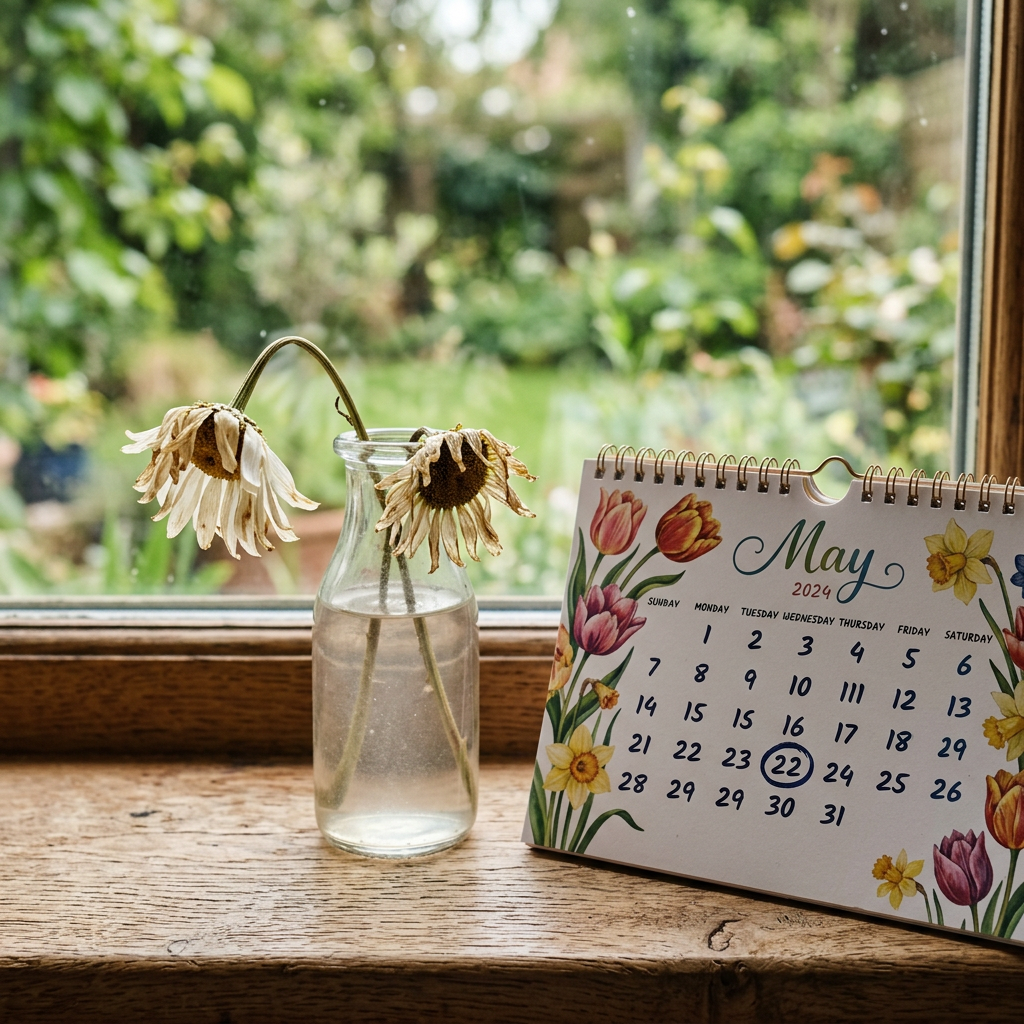
    At first, waiting didn’t seem so difficult. I would notice the date on the calendar and think, Maybe this is the month.

    When it wasn’t, I’d tell myself there would always be next month.

    Months quietly turned into years.

    Friends began announcing pregnancies.

    Baby shower invitations filled the mailbox.

    Social media filled with ultrasound pictures, first birthdays, and family vacations.

    I went to baby showers when I could.

    I celebrated my friends because I truly was happy for them.

    But as the months turned into years, something else quietly changed.

    The invitations became fewer.

    Some friends stopped inviting me altogether.

    Others slowly drifted away.

    I don’t believe they meant to hurt me.

    I think many of them simply didn’t know how to walk alongside someone whose story looked so different from their own.

    Still, it was lonely.

    Not only was I grieving the child I longed for, but I was also grieving friendships that no longer felt the same.

    I celebrated with them.

    I truly did.

    But sometimes, after sending the congratulations or wrapping another baby gift, I would sit alone and cry.

    Not because I wasn’t happy for them.

    But because I wondered why motherhood seemed to come so easily for everyone else while slipping farther away from me.

    No one prepares you for that kind of grief.

    There isn’t a funeral.

    There aren’t sympathy cards.

    People don’t know you’re grieving because there isn’t a visible loss.

    Instead, it’s a series of quiet disappointments that pile up over the years.

    Each negative pregnancy test.

    Each Mother’s Day.

    Each birthday that quietly reminds you another year has passed.

    Eventually, something changes.

    You stop asking, “Will this happen?”

    And begin asking, “What if it never does?”

    That question is one of the hardest I’ve ever carried.

    Not because it comes all at once.

    But because it slowly becomes impossible to ignore.

    For a long time, I felt guilty for grieving something I never had.

    I wondered if I was being dramatic.

    If I should simply move on.

    If I should stop talking about it because enough time had passed.

    But grief doesn’t ask permission.

    It simply shows up.

    Sometimes while standing in the baby aisle at the store.

    Sometimes when hearing a child laugh in the next grocery cart.

    Sometimes when someone casually asks,

    “Do you have kids?”

    Those four words can still catch me off guard.

    Not because I don’t know the answer.

    But because of everything that answer carries.

    Today, I don’t pretend this part of my story no longer hurts.

    Some days it still does.

    But I’ve also learned that our lives don’t have to look the way we imagined to still hold purpose.

    I don’t know exactly why my path unfolded differently.

    I may never understand.

    But I do know that sharing these stories has reminded me of something important.

    Our deepest wounds often become the place where we connect with someone else’s heart.

    If you’re reading this and wondering whether anyone understands the grief of waiting… of hoping… of watching the years pass while your dream quietly slips away…

    I want you to know this.

    I understand.

    And you’re not walking this road alone.

    If this story touched your heart, I’d love to hear from you.

    Whether your journey includes infertility, miscarriage, foster care, adoption that didn’t happen, or involuntary childlessness, you’re welcome to share your story in the comments below.

    If leaving a public comment feels too difficult, you’re always welcome to reach out through my contact page instead.

    My hope is that this becomes more than a collection of stories. I hope it becomes a community where no woman has to carry this kind of grief alone.

    If you’ve been carrying this grief quietly, I hope you’ll know that there’s a place for your story here, too.

  • Understanding Invisible Grief: A Journey Through Childlessness

    Understanding Invisible Grief: A Journey Through Childlessness

    Return to The Mother I Thought I’d Be Series

    Some stories aren’t meant to be hidden. They’re meant to remind someone else they aren’t alone.

    🌼

    For years, this part of my life stayed tucked away in my heart. Today, I’m sharing it because I know I’m not the only woman carrying this kind of grief.

    When people meet me, they see a woman in her mid-forties without children.

    What they don’t see is the miscarriage I experienced in my twenties.

    They don’t see the years of hoping every month that maybe this time would be different.

    They don’t see the doctor’s appointments, the prayers, the disappointment, or the quiet heartbreak that comes with realizing your dream of becoming a mother may never happen.

    Infertility isn’t always loud. Sometimes it becomes an invisible grief that you carry while the rest of the world moves on.

    For me, that grief still comes in waves.

    It catches me when I see a mother pushing a stroller through the grocery store. When I watch a little one reach up to hold their mom’s hand. When I hear someone call out, “Mom.”

    In those moments, my heart whispers, That was the life I wanted.

    Finding Hope Through Foster Care

    As the years passed, I realized I still had so much love to give.

    So my husband and I became foster parents.

    I believed that maybe motherhood would find me another way.

    Then two tiny twin boys came into my life.

    They had just been discharged from the NICU, and from that very first day, my life changed.

    For a little over five months, my days revolved around them.

    I learned how to hold one baby while feeding the other. I rocked them both to sleep every night, softly singing to them as they drifted off. Bath time became one of our favorite routines because they absolutely loved splashing in the water.

    They adored their little vibrating bouncy seats, and I loved loading them into the double stroller and taking them everywhere with me. Even though they weren’t six months old yet, I couldn’t wait to show them the world—whether it was a walk through the park, a trip to the store, or simply getting out together.

    People would often stop us just to admire the twins. I’d smile proudly because, for those few months, I truly felt like I’d been given the greatest gift in the world.

    Those ordinary moments became some of the happiest of my life.

    Without realizing it, I wasn’t just caring for them.

    I was becoming their mom in my heart.

    Even if only for a season.

    And slowly, I allowed myself to hope.

    Maybe…

    Just maybe…

    They would become part of our family forever.

    Learning to Say Goodbye

    But that wasn’t their story.

    A little over a year ago, they were reunited with members of their biological family.

    The day they left is one I’ll never forget. I was not strong enough to carry them out to the van, so my mom did it in my place so she could say goodbye.

    I watched, through my tears, them drive away from my front door, carrying not only two little boys I loved, but a future I’d quietly begun to imagine.

    As foster parents, we’re taught to love children as if they were our own while preparing ourselves to let them go.

    No one can truly prepare your heart for that.

    I am genuinely grateful they had family who could welcome them home, and I pray they are safe, healthy, and deeply loved.

    But I also miss them.

    More than I know how to explain.

    The house felt quieter.

    The double stroller sat empty.

    The routines that had filled my days disappeared almost overnight.

    A piece of my heart left with them.

    After they were reunited with family, the placements we received were much older children with challenges of their own.

    Those children deserved love and stability too, but emotionally I was still grieving the loss of two little boys whose cries I knew by heart and whose future I had dreamed of being part of.

    Eventually, fostering became too difficult for us to continue.

    The Invisible Grief of Childlessness

    Sometimes people tell me it’s been long enough.

    Sometimes, as time passes, people assume the grief has passed too.

    So I keep most of it inside.

    But grief doesn’t disappear simply because other people become uncomfortable with it.

    The hardest part of being involuntarily childless isn’t simply not having children.

    It’s grieving thousands of moments that never happened.

    The bedtime stories I never got to read.

    The first days of school.

    The scraped knees.

    The homemade Halloween costumes.

    The Christmas mornings.

    The graduations.

    The hugs.

    The ordinary moments that parents often experience without realizing what a gift they are.

    And now, as I grow older, another fear quietly settles into my heart.

    Who will be there as I age?

    Who will share holidays with me?

    Who will remember my stories?

    Those questions don’t come from self-pity.

    They come from a longing for the family I always dreamed of having.

    To the Woman Who Understands

    If you’re reading this and your story looks anything like mine—whether because of infertility, miscarriage, pregnancy loss, foster care, adoption that didn’t happen, or simply circumstances beyond your control—I want you to know something.

    Your grief is real.

    You don’t have to justify it because time has passed.

    You don’t have to pretend you’re “over it.”

    And you are not less of a woman because you never became a mother.

    Some days still hurt.

    Some days the grief catches me completely off guard.

    But I’m learning that love doesn’t disappear simply because life didn’t unfold the way we hoped.

    I don’t know exactly what the next chapter of my life will look like. But I do know this: love is never wasted. The love I had for those boys mattered. The love I still carry for the child I never had matters. And perhaps the love we continue to give—to others and to ourselves—is part of how healing begins.

    And maybe the most healing thing we can do is stop carrying this grief in silence.

    If this story resonates with you, I’d love to hear from you in the comments or through my contact page. Whether your journey includes infertility, miscarriage, foster care, or involuntary childlessness, I hope you’ll know you’ve found a place where your grief doesn’t have an expiration date.

    You don’t have to carry it alone.


    If You Need a Little Extra Support

    If you’re walking this difficult road, these organizations may provide support, encouragement, and a community that understands:

    Consider looking for a local support group or a licensed therapist who specializes in infertility, pregnancy loss, or grief. Sometimes simply talking with people who truly understand can lighten the weight of carrying it alone.

    RESOLVE: The National Infertility Association – Support groups, education, and advocacy for those experiencing infertility.

    Share Pregnancy & Infant Loss Support – Resources and community for those grieving pregnancy or infant loss.