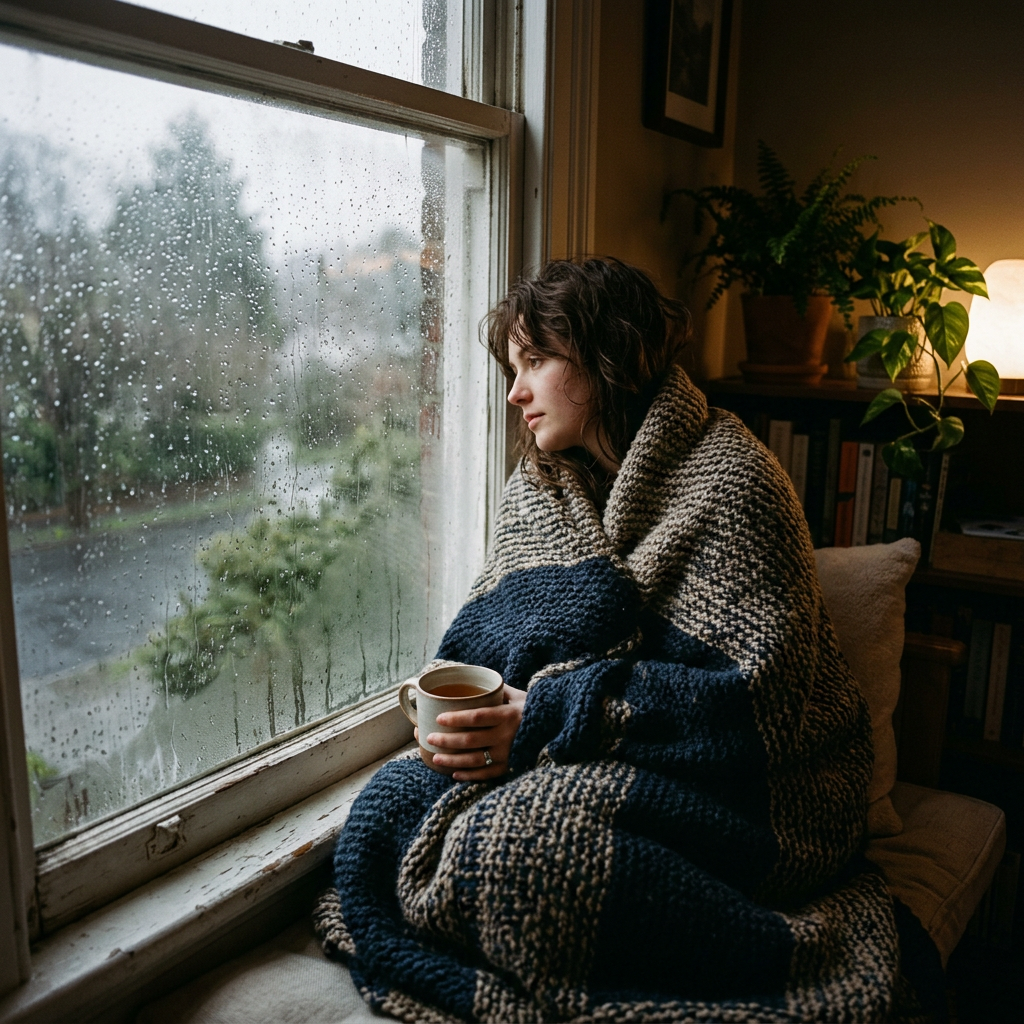
Anxiety affects millions of people worldwide, yet it often remains misunderstood. According to the World Health Organization, anxiety disorders are among the most common mental health conditions globally, affecting hundreds of millions of people each year. Despite how common it is, living with anxiety can feel isolating and overwhelming.
For many people, anxiety isn’t just occasional nervousness before a big event. It’s a persistent feeling of worry, fear, or unease that can impact work, relationships, sleep, and overall quality of life.
Disclosure: Some links in this article may be affiliate links. If you make a purchase through these links, I may earn a small commission at no additional cost to you.
My Experience with Anxiety
One of the greatest sources of comfort in my life has been my five dogs. Living with anxiety can sometimes feel overwhelming, especially on days when my thoughts seem to race and stress feels impossible to escape. During those moments, my dogs have a way of bringing me back to the present.
Whether they’re following me around the house, encouraging me to get outside for a walk, or simply curling up beside me, they provide a sense of calm and companionship that is difficult to put into words. Their unconditional love reminds me that I don’t have to face difficult days alone.
Research has shown that spending time with pets can help reduce stress and promote feelings of well-being. While my dogs aren’t a cure for anxiety, they have become an important part of my coping routine. They encourage me to stay active, maintain a daily routine, and focus on the simple joys in life.
For anyone living with anxiety, finding healthy sources of comfort and support can make a meaningful difference. For me, my five dogs are a daily reminder to slow down, take a breath, and appreciate the present moment.

Understanding Anxiety
Anxiety is the body’s natural response to stress, but when those feelings become persistent and overwhelming, they can interfere with everyday life.
Common symptoms include:
- Excessive worrying
- Difficulty concentrating
- Restlessness
- Fatigue
- Rapid heartbeat
- Muscle tension
- Trouble sleeping
- Irritability
Because anxiety often affects both the mind and body, managing it usually requires a combination of mental, emotional, and physical strategies.
Common Myths About Anxiety
Myth #1: Anxiety Is Just Worrying Too Much
Fact: Anxiety is a legitimate mental health condition that involves both psychological and physical symptoms.
Myth #2: People with Anxiety Should Just Relax
Fact: Anxiety cannot simply be turned off. Effective management often involves coping strategies, lifestyle changes, and sometimes professional support.
Myth #3: Anxiety Means You’re Weak
Fact: Many highly successful, resilient people live with anxiety. Seeking help demonstrates strength and self-awareness.
Practical Strategies for Managing Anxiety
1. Practice Mindfulness and Deep Breathing
Mindfulness helps bring your attention back to the present moment instead of focusing on future worries.
Try:
- Deep breathing exercises
- Guided meditation
- Progressive muscle relaxation
- Grounding techniques
2. Prioritize Physical Activity
Regular exercise helps reduce stress hormones and boosts mood-enhancing chemicals in the brain.
Examples include:
- Walking
- Yoga
- Cycling
- Swimming
- Strength training
Even 20–30 minutes of movement can make a difference.
3. Create Healthy Daily Habits
Consistency provides stability during anxious periods.
Focus on:
- Getting enough sleep
- Eating balanced meals
- Staying hydrated
- Limiting caffeine and alcohol
- Taking breaks when needed
4. Challenge Negative Thoughts
Anxiety often convinces us that worst-case scenarios are likely.
When anxious thoughts arise, ask:
- What evidence supports this fear?
- What evidence contradicts it?
- What would I tell a friend experiencing this same concern?
This simple exercise can help create a more balanced perspective.
5. Reach Out for Support
You don’t have to face anxiety alone.
Consider:
- Talking to trusted friends or family
- Joining support groups
- Working with a therapist
- Consulting a healthcare professional
Seeking support is one of the most effective steps toward recovery.
Resources That May Help
If you’re looking for additional support, consider exploring:
- The National Institute of Mental Health (NIMH)
- The Anxiety & Depression Association of America (ADAA)
- Local mental health professionals
- Anxiety workbooks and guided journals
- Mindfulness and meditation apps
Recommended reading:
The Importance of Self-Compassion
Many people living with anxiety are incredibly hard on themselves. They may feel frustrated when anxious thoughts return or when progress feels slow.
The truth is that healing is not linear.
Some days will feel easier than others. What matters most is continuing to show yourself patience and understanding along the way.
Treat yourself with the same kindness you would offer a loved one facing a difficult challenge.
Moving Forward with Hope
Living with anxiety is not about eliminating every fearful thought. It is about learning how to respond to those thoughts in healthier, more constructive ways.
While anxiety may be part of your story, it does not define who you are or what you can achieve.
Every small step matters. Every time you choose self-care, seek support, challenge a negative thought, or simply make it through a difficult day, you are making progress.
Remember: growth often happens quietly. The fact that you’re reading this and looking for ways to better understand anxiety is already a sign of strength and determination.
Join the Conversation
Have you experienced anxiety or discovered strategies that help you cope?
Share your thoughts, experiences, or favorite coping techniques in the comments below. Your story may encourage someone else who is facing similar challenges and remind them that they are not alone.

A Little Thank You: Some links in this post may be affiliate links. If you choose to shop through them, I may earn a small commission at no additional cost to you. As an affiliate, I earn from qualifying purchases. Your support helps keep The daZie Diaries going, and I’m so grateful you’re here. 🤍