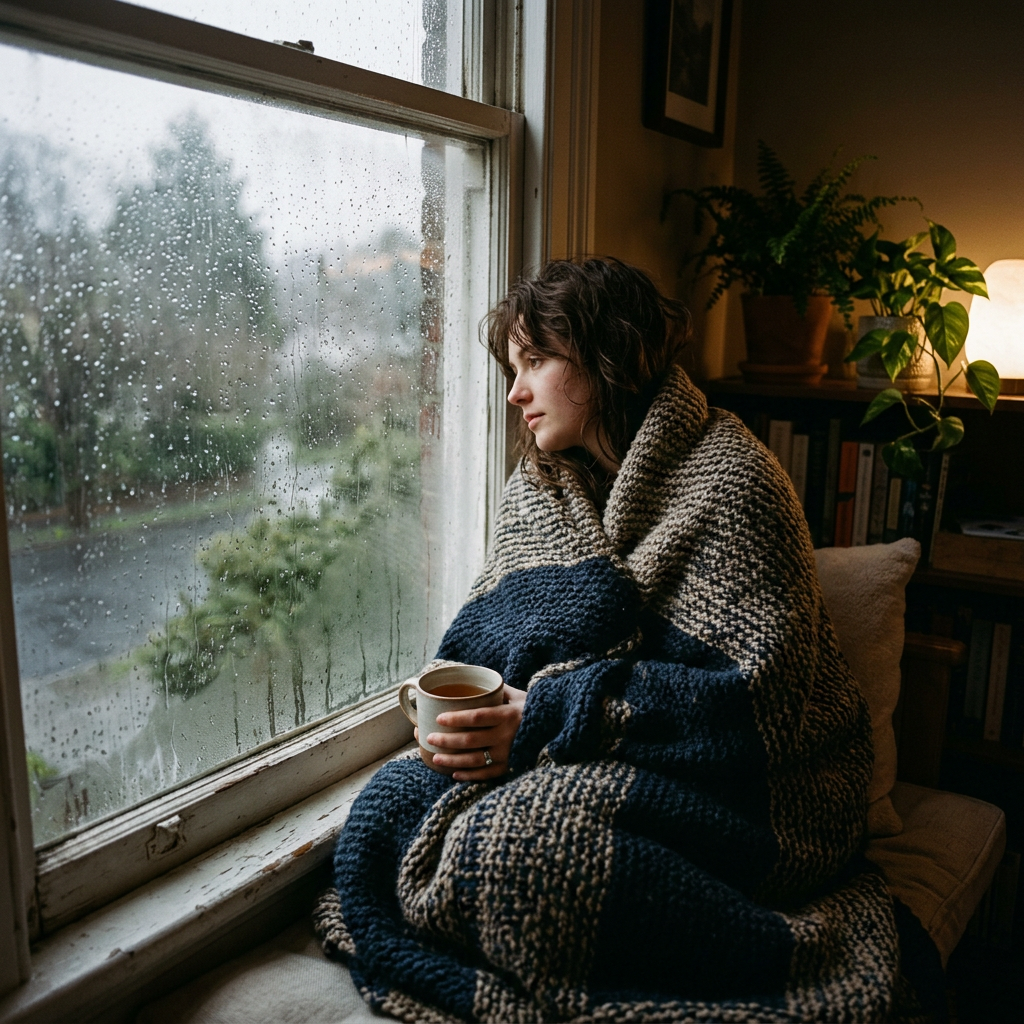
There is a difference between choosing not to have children and desperately wanting them but never getting the chance.
For most of my life, I believed I would become a mother.
I imagined holding my baby for the first time, reading bedtime stories, attending school events, and someday becoming a grandmother. Like many women, I assumed motherhood would simply be part of my future. It wasn’t a question of if—it was a question of when.
But life had other plans.
Today, I find myself facing a reality I never expected: I am a woman without children, and the opportunity to become a mother has passed.
That realization has been one of the deepest heartbreaks of my life.
Some of the resources mentioned in this article may contain affiliate links. If you purchase through these links, I may earn a small commission at no additional cost to you. I only recommend resources I believe can genuinely help women navigating this journey.
The Grief No One Talks About
When someone loses a loved one, people rally around them. There are cards, flowers, meals, and words of comfort.
But when you lose the dream of motherhood, the grief often goes unseen.
There is no funeral for the child you never had.
No sympathy cards arrive in the mail.
No one really knows what to say.
Instead, you quietly carry the weight of what could have been.
I’ve spent years imagining birthdays that never happened, traditions that were never created, and conversations I’ll never have with a son or daughter. The grief isn’t something you simply “move on” from. It comes in waves.
Sometimes it’s triggered by seeing a mother with her child.
Sometimes it’s hearing friends talk about their grandchildren.
Sometimes it arrives unexpectedly and settles into your heart for a while.
Reflection Question
Have you ever found yourself grieving a life you expected to have but never got the chance to live?
When Grief Turns Into Anxiety and Depression
If I’m honest, this journey has led me through seasons of anxiety and depression.
There were times when I felt isolated and misunderstood. It seemed like everyone around me was moving through life stages I would never experience.
I questioned my purpose.
I wondered where I belonged.
I struggled with feelings of failure, even though I knew deep down that not becoming a mother wasn’t my fault.
One thing I’ve learned is that grief over childlessness is real grief. It deserves compassion, understanding, and support.
Research consistently shows that strong social connections play a significant role in emotional well-being, while loneliness and isolation can contribute to anxiety and depression. That’s one reason community is so important for women navigating childlessness—not because it erases the pain, but because it reminds us we don’t have to carry it alone.
Searching for People Who Understand
One of the hardest parts of this journey has been finding people who truly understand.
I’ve searched for support groups, online communities, articles, books, and personal stories from women walking a similar path.
What I discovered is that there are far more women carrying this pain than most people realize.
Many of us suffer quietly.
We smile at baby showers.
We celebrate our friends’ milestones.
We show up for everyone else while privately mourning our own loss.
But healing often begins when we realize we are not alone.
Resources That Helped Me Feel Less Alone
Throughout my journey, I’ve found comfort in books, journals, and communities focused on healing and personal growth.
Some resources you may find helpful include:
- Books about childlessness and grief
- Guided journals for self-reflection
- Audiobooks focused on healing and resilience
- Faith-based devotionals
- Women’s support communities
- Volunteer and mentorship opportunities
Why Women Without Children Still Need Community
Community doesn’t erase grief, but it makes carrying it easier.
There is something powerful about sitting across from someone who understands your heartbreak without needing an explanation.
Research from the Harvard Study of Adult Development—one of the longest-running studies on happiness and well-being—has consistently found that strong relationships are among the most important factors contributing to a fulfilling life.
For women without children, especially those who never chose this path, community can become a lifeline.
We need people who:
- See us
- Understand our struggles
- Offer support without judgment
- Remind us of our worth
- Encourage us to keep moving forward
Community reminds us that we are more than our losses.
Reflection Question
Who are the people in your life who make you feel seen, heard, and valued?
Purpose Is Bigger Than Parenthood
For a long time, I tied my sense of purpose to becoming a mother.
When that dream faded, I found myself asking a difficult question:
“If I can’t live the life I planned, what do I do now?”
The answer didn’t come overnight.
In many ways, I’m still discovering it.
But I’ve learned that purpose can take many forms.
Purpose can be found in:
- Helping others
- Sharing our stories
- Building meaningful friendships
- Mentoring younger women
- Volunteering
- Creating something meaningful
- Growing spiritually
- Learning new skills
- Pursuing passions we’ve neglected
The purpose I imagined may not have happened, but that doesn’t mean my life is without purpose.
Reflection Question
What activities make you feel useful, fulfilled, or connected to something bigger than yourself?
Creating Your Own Village
The phrase “it takes a village” is usually associated with raising children.
But the truth is, everyone needs a village.
Women without children often have to build that village intentionally.
That may mean:
- Joining a local club
- Participating in a faith community
- Volunteering for causes you care about
- Taking classes
- Attending networking events
- Starting a book club
- Connecting with other childless women
- Becoming a mentor
A village doesn’t have to be biological family.
It can be built through friendship, shared experiences, and mutual support.
Reflection Question
What is one step you could take this month to build a stronger sense of community?
The Legacy You Leave Behind
One misconception about childlessness is that without children, there is no legacy.
I no longer believe that.
Legacy isn’t limited to biological children.
Legacy is found in every life you touch.
It’s found in the people you encourage, the causes you support, the wisdom you share, and the love you give.
Teachers leave legacies.
Volunteers leave legacies.
Mentors leave legacies.
Friends leave legacies.
Every woman has the ability to impact future generations, whether through family connections or the countless lives she influences along the way.
Resources for Finding Purpose and Connection
If you’re struggling with childlessness, grief, loneliness, or questions about purpose, consider exploring:
Books
- The Gifts of Imperfection by Brené Brown
- Designing Your Life by Bill Burnett and Dave Evans
- Books specifically focused on childlessness and healing
Personal Growth Resources
- Guided journals
- Audiobooks
- Online learning platforms
- Faith-based studies
- Support communities
Organizations
- Local women’s groups
- VolunteerMatch
- Faith-based women’s ministries
- Community organizations
- Mentorship programs
A Message for Women Walking This Path
If you’re reading this and carrying the same grief, I want you to know something:
You are not alone.
Your pain is real.
Your loss matters.
And your worth is not determined by whether you became a mother.
You are still valuable.
You are still needed.
You are still capable of living a life filled with meaning, connection, and love.
The road may look different than what you imagined, but your story is not over.

My Hope for You
If you’re reading this and your story looks anything like mine, I want you to know that you are not alone.
I know what it’s like to watch the years pass and realize the dream you’ve carried in your heart may never become reality. I know the ache of wondering what might have been. I know how lonely it can feel when it seems everyone around you is celebrating milestones you’ll never experience.
But I also know this:
Our lives are not defined by what we lost.
They are defined by how we continue to live, love, grow, and serve despite that loss.
My hope for you is that you find your people—the ones who understand your grief without trying to fix it. I hope you discover purpose in places you never expected. I hope you learn that your value has never been tied to motherhood, even if motherhood was the dream you carried for so long.
Most of all, I hope you give yourself permission to grieve what wasn’t meant to be while still embracing what can be.
Your story isn’t over.
There are still people to love, lives to impact, experiences to enjoy, and dreams to pursue.
The path may look different than the one you imagined, but it can still be beautiful.
And if you’re still searching for community and purpose, know that I’m searching too.
Perhaps that’s where healing begins—not in having all the answers, but in knowing we don’t have to walk this road alone.
A Little Thank You: Some links in this post may be affiliate links. If you choose to shop through them, I may earn a small commission at no additional cost to you. As an affiliate, I earn from qualifying purchases. Your support helps keep The daZie Diaries going, and I’m so grateful you’re here. 🤍