Category: Beauty & Health

  • 10 Relaxing Ways to Unwind After a Stressful Monday

    10 Relaxing Ways to Unwind After a Stressful Monday

    10 Relaxing Ways to Unwind After a Stressful Monday

    Mondays can be exhausting.

    After a relaxing weekend, you’re suddenly back to emails, meetings, deadlines, errands, and a seemingly endless to-do list. By Monday evening, your body may be home, but your mind can still feel stuck in work mode.

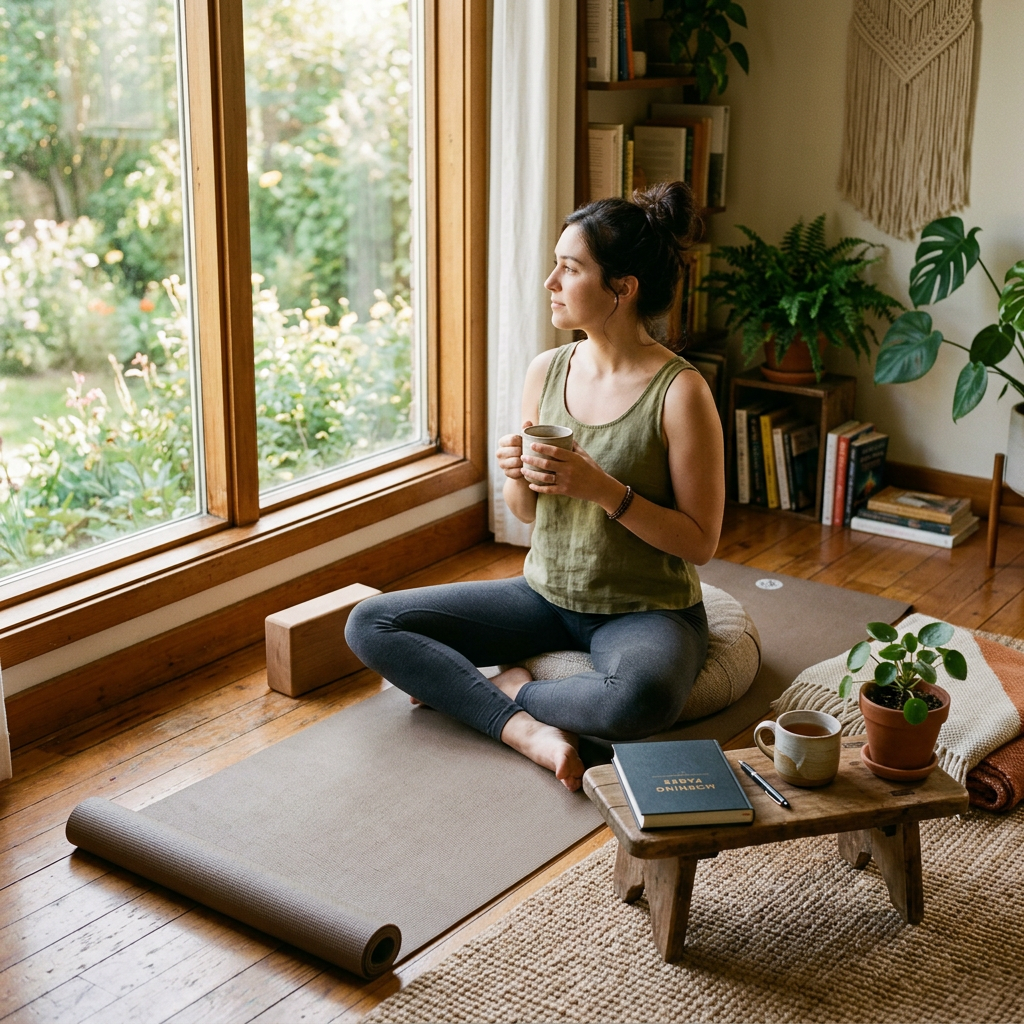
    The good news is that you don’t need an elaborate self-care routine to relax after a stressful day. A few simple habits—and the right relaxation essentials—can help you create a calming Monday-night routine that makes it easier to unwind, recharge, and get ready for the rest of the week.

    Whether you have 20 minutes or an entire evening to yourself, here are 10 relaxing ways to unwind after a stressful Monday and make your night feel a little more peaceful.

    1. Change Into Something Comfortable

    One of the easiest ways to unwind after work is to create a clear transition between your workday and your evening.

    As soon as you’re home, change out of your work clothes and slip into something soft and comfortable. A cozy pajama set, oversized sweatshirt, plush robe, or favorite pair of slippers can help signal that the busy part of your day is officially over.

    It’s a small habit, but it can make your home immediately feel more relaxing.

    Relaxation essentials to try:

    2. Take a Break From Your Phone

    After spending all day responding to emails, messages, and notifications, more screen time may not be the break your mind needs.

    Try putting your phone somewhere out of reach for 20 to 30 minutes. If you tend to pick it up automatically, a phone lock box or timed phone container can help you create a genuine screen-free break.

    Use that time to make tea, stretch, sit outside, read, or simply enjoy a few quiet minutes without another notification demanding your attention.

    Screen-free evening essentials:

    3. Take a Long, Warm Shower or Bath

    Few things make a stressful Monday feel officially over quite like a warm shower or bath.

    Turn your usual evening shower into a simple at-home spa experience with an aromatherapy shower steamer, relaxing body wash, and a fluffy towel waiting for you afterward.

    Prefer baths? Add Epsom salts, dim the lights, and use a comfortable bath pillow to make your bathroom feel a little more luxurious.

    You don’t need an elaborate spa routine. Even 15 quiet minutes can help create a calming transition into your evening.

    At-home spa favorites:

    • Aromatherapy shower steamers
    • Epsom bath salts
    • Bath pillow
    • Plush bath towels
    • Soft robe

    4. Make a Relaxing Cup of Herbal Tea

    There’s something especially comforting about holding a warm drink after a long day.

    Make yourself a cup of caffeine-free herbal tea and take a few minutes to actually sit down and enjoy it. Chamomile, peppermint, ginger, and lavender blends are popular choices for an evening cup.

    Pair your tea with a favorite mug, a cozy blanket, and a quiet corner of the house, and your Monday night may start feeling a lot less hectic.

    Cozy drink essentials:

    5. Create a Calm and Cozy Atmosphere

    Your surroundings can have a big impact on how relaxing your evening feels.

    Instead of leaving bright overhead lights on, switch to softer lighting from a bedside or table lamp. Put on a relaxing playlist, grab a comfortable blanket, and add a favorite scent with a candle or essential-oil diffuser.

    You don’t need to completely redecorate your home to create a cozy atmosphere. A few small changes can make your bedroom or living room feel much more peaceful.

    Essentials for a relaxing atmosphere:

    6. Stretch Away Monday Tension

    Stress doesn’t always stay in your head. After hours of sitting at a desk, driving, standing, or running around, you may notice tension building in your neck, shoulders, back, or legs.

    Spend 10 minutes doing some gentle stretching or yoga. You don’t need a complicated workout—a few slow stretches can be a relaxing way to transition out of work mode.

    A yoga mat, foam roller, or massage ball can make your routine more comfortable. And if you’re ready to head straight to the couch afterward, a heated neck-and-shoulder wrap or heating pad can add an extra dose of coziness.

    Monday recovery essentials:

    • Yoga mat
    • Foam roller
    • Massage balls
    • Heated neck and shoulder wrap
    • Heating pad

    7. Curl Up With a Good Book

    If your usual Monday-night routine involves scrolling through your phone until bedtime, try giving your brain something slower to focus on.

    Curl up underneath a blanket and read a few chapters of a book you’ve been meaning to start. Reading can be an easy way to create a quieter evening routine without feeling like you need to accomplish anything.

    If you prefer digital books, an e-reader can be convenient for bedtime reading. Add a clip-on reading light or supportive pillow to make your reading corner even cozier.

    Reading-night favorites:

    8. Write Down What’s on Your Mind

    Sometimes it’s difficult to relax because your brain is busy trying to remember everything you need to do tomorrow.

    Instead of mentally repeating your to-do list all evening, write it down.

    Spend five or 10 minutes jotting down unfinished tasks, tomorrow’s priorities, reminders, or anything else occupying your thoughts. Keep a notebook beside your bed if ideas tend to pop into your head when you’re trying to fall asleep.

    Once everything is on paper, you can leave tomorrow’s tasks for tomorrow.

    Journaling essentials:

    • Guided journal
    • Daily planner
    • Gratitude journal
    • Smooth-writing pens
    • Bedside notebook

    9. Make Your Couch Extra Cozy

    Some Monday evenings call for doing absolutely nothing ambitious—and that’s perfectly fine.

    Grab a soft blanket, put on your comfiest clothes, make a favorite snack, and settle in with a comfort show or movie.

    A supportive reading pillow, oversized throw, fuzzy socks, and your favorite drink can turn an ordinary night on the couch into exactly the kind of low-key reset you need.

    Ultimate couch-night essentials:

    • Oversized throw blanket
    • Reading pillow
    • Fuzzy socks
    • Snack bowl set
    • Insulated tumbler

    10. Set Yourself Up for a Better Night’s Sleep

    After a demanding Monday, a good night’s sleep can be one of the best ways to recharge.

    Start winding down before you actually get into bed. Lower the lights, put your phone away, and make your bedroom as cool, dark, quiet, and comfortable as possible.

    Simple sleep accessories such as blackout curtains, a comfortable sleep mask, white noise, or a cooling pillowcase can make your bedtime routine feel even more inviting.

    Most importantly, give yourself permission to call it a night. Tomorrow’s emails and to-do list can wait until morning.

    Bedtime relaxation essentials:

    Create a Monday-Night Reset Routine That Works for You

    Your Monday-night routine doesn’t need to include every idea on this list.

    In fact, keeping it simple may make it easier to stick with.

    Choose two or three relaxing activities that genuinely help you switch off after a stressful day. Maybe your ideal Monday-night reset is taking a warm shower, making herbal tea, turning on your diffuser, and curling up underneath a favorite blanket.

    Or perhaps you’d rather stretch for 10 minutes, write tomorrow’s priorities in your planner, read a few pages of a book, and head to bed early.

    The goal isn’t to create another checklist you have to complete.

    It’s to make Monday evening feel like your time again.

    Even a few small changes can help transform the end of a hectic Monday into a cozy evening that gives you a chance to slow down, recharge, and prepare for the rest of the week.

    What’s Your Favorite Way to Relax After a Stressful Monday?

    Do you have a go-to Monday-night routine, favorite cozy product, relaxing drink, or simple trick that helps you unwind after work?

    Share your favorite Monday-night relaxation tips in the comments. Your idea might be exactly what another reader needs to make their next Monday evening a little easier.

    And if you try one of these ideas, come back and share which one helped you relax the most. Here’s to making Monday nights a little calmer—and a lot cozier.


    A Little Thank You: Some links in this post may be affiliate links. If you choose to shop through them, I may earn a small commission at no additional cost to you. As an affiliate, I earn from qualifying purchases. Your support helps keep The daZie Diaries going, and I’m so grateful you’re here. 🤍

  • Boost Your Well-Being with Simple Gratitude Practices

    Woman with her hair in a bun sitting beside her dog in a peaceful wildflower field under sunny skies and fluffy clouds, reflecting on gratitude and mindfulness
    Taking time to appreciate the beauty of nature can be one of the simplest and most meaningful ways to practice gratitude

    Did you know that people who regularly practice gratitude tend to experience greater happiness, lower stress levels, and even better sleep? It’s a simple habit that takes only a few minutes a day, yet it has the power to transform how you view yourself and the world around you.

    I didn’t always believe something so simple could make such a difference.

    Like many people, I went through a season where my days felt consumed by work, responsibilities, and an endless list of things that still needed to be done. Instead of noticing what was going well, I found myself focusing on everything that wasn’t.

    One evening, I decided to try something different. Before going to bed, I wrote down three things I was grateful for. They weren’t extraordinary—my family’s laughter around the dinner table, a hot cup of coffee, and the colorful sunset outside my window—but they reminded me that even difficult days hold moments worth appreciating.

    That small habit gradually changed the way I approached each day. I became less focused on what I lacked and more aware of the blessings that had been there all along.

    Gratitude isn’t about pretending life is perfect. It’s about choosing to recognize the good that’s already present, even during life’s challenges. And as research continues to show, that simple shift in perspective can have a remarkable impact on your overall well-being.

    The Science Behind Gratitude

    Gratitude isn’t just a feel-good practice; it’s backed by research.

    Research by psychologists Robert Emmons and Michael McCullough, published in the Journal of Personality and Social Psychology (2003), found that participants who regularly recorded things they were grateful for reported greater optimism, exercised more frequently, and experienced higher overall well-being than those who focused on daily frustrations.

    Additional research suggests that practicing gratitude can:

    • Reduce stress and anxiety
    • Improve sleep quality
    • Increase overall happiness
    • Strengthen relationships
    • Boost self-esteem
    • Build emotional resilience

    When you intentionally focus on positive experiences, your brain gradually becomes better at recognizing them. Over time, gratitude shifts from being something you practice to becoming part of how you see the world.

    Small Daily Gratitude Habits That Make a Big Difference

    1. Keep a Gratitude Journal

    Spend five minutes each day writing down three things you’re thankful for. They don’t need to be life-changing.

    A cozy pink desk with a gratitude journal, pen, coffee mug, lit candle, and soft office décor beside a sunny window overlooking trees and an open field.
    A peaceful journaling space with warm sunshine, a fresh cup of coffee, and a gratitude journal creates the perfect setting to slow down, reflect, and appreciate life’s simple blessings.

    Examples include:

    • A supportive friend
    • Your morning coffee
    • A beautiful sunset
    • Good health
    • Finishing an important task

    A dedicated gratitude journal can make it easier to build a consistent habit. I prefer journals with guided prompts because they remove the guesswork and encourage deeper reflection.

    When I first started keeping a gratitude journal, I wasn’t sure it would make much difference. Some evenings, it felt difficult to think of three positive things after a stressful day. But after a few weeks, I noticed I was paying more attention to the little moments—a kind conversation, a walk with my dog, or simply enjoying my morning coffee. Those small moments gradually became the highlights of my day.

    👉 View My Favorite Gratitude Journal


    2. Start Your Morning with Gratitude

    Before checking your phone, pause for one minute and think of three things you’re grateful for.

    This simple habit can help set a calmer, more positive tone for your day.


    3. Practice Gratitude During Difficult Moments

    Life will always have challenges.

    Gratitude doesn’t erase them, but it helps you view them from a healthier perspective.

    Instead of asking:

    “Why is this happening to me?”

    Try asking:

    “What can I learn from this?”

    or

    “What is still going well today?”

    This small shift can reduce feelings of overwhelm while strengthening resilience.


    4. Express Gratitude to Others

    One of the easiest ways to improve relationships is simply saying “thank you.”

    Send a thoughtful text.

    Write a handwritten note.

    Tell someone how much they mean to you.

    Those small expressions of appreciation often create lasting memories.


    5. Create a Gratitude Space at Home

    Your surroundings influence your mindset.

    One thing that makes my gratitude routine more enjoyable is having a cozy blanket and a softly scented candle nearby. Creating a relaxing environment makes it easier to slow down and be present.

    To create your own relaxing and peaceful environment you could include:

    Creating a small reading corner in my home became more than just decorating a space. It gave me a quiet place to slow down each evening, write in my journal, and reflect on the day. Even spending ten minutes there helped me feel more grounded before bedtime.

    Cozy reading corner with a comfortable armchair, soft blanket, books, candles, plants, and a journal creating a peaceful space for gratitude and reflection.
    Creating a peaceful reading space can encourage daily gratitude, journaling, and moments of quiet reflection.

    Quick Ways to Practice Gratitude Today

    ✔ Smile at a stranger.

    ✔ Write down one happy memory.

    ✔ Tell a loved one you appreciate them.

    ✔ Spend five minutes outside.

    ✔ Turn off your phone for ten minutes.

    ✔ Read something inspiring.

    ✔ Celebrate one small win.

    These bite-sized ideas are easy to scan and encourage readers to take immediate action.

    Gratitude and Mental Well-Being

    Although gratitude isn’t a replacement for professional mental health care, it can become an important part of a healthy self-care routine.

    Many people who consistently practice gratitude report:

    • Greater optimism
    • Lower stress levels
    • Improved emotional balance
    • Better relationships
    • Increased life satisfaction

    Even on difficult days, identifying one positive moment can help interrupt negative thought patterns.

    Gratitude Helps You Recognize Abundance

    It’s easy to believe happiness is always tied to the next milestone:

    • A promotion
    • A larger home
    • More savings
    • More followers

    While goals are valuable, gratitude reminds us that joy doesn’t have to wait.

    You can celebrate today’s blessings while still working toward tomorrow’s dreams.

    Join the 7-Day Gratitude Challenge

    Are you ready to experience the benefits of gratitude for yourself? This simple challenge takes just a few minutes each day and can help you develop a habit that supports greater joy, resilience, and peace of mind.

    Day 1: Write down three things you’re grateful for.

    Day 2: Thank someone who has made a positive impact on your life.

    Day 3: Spend five quiet minutes outdoors appreciating nature.

    Day 4: Write about one good thing that happened today and why it mattered.

    Day 5: Challenge yourself to go one hour without complaining.

    Day 6: Reflect on a challenge that ultimately helped you grow.

    Day 7: Write a letter to your future self about everything you’re grateful for today.

    Printable Gratitude Checklist

    ☐ Day 1: Three Gratitudes

    ☐ Day 2: Thank Someone

    ☐ Day 3: Spend Time in Nature

    ☐ Day 4: Celebrate One Positive Moment

    ☐ Day 5: One Complaint-Free Hour

    ☐ Day 6: Reflect on Personal Growth

    ☐ Day 7: Letter to Your Future Self

    Keep this checklist somewhere you’ll see it each day—on your refrigerator, your desk, or tucked inside your journal. By the end of the week, you may be surprised at how much easier it becomes to notice life’s everyday blessings.

    📥 Download Your Free 7-Day Gratitude Checklist

    My Favorite Gratitude Tools

    If you’re looking to make gratitude part of your everyday routine, these products can help make the habit easier and more enjoyable.

    A Grateful Life Is Built One Day at a Time

    Looking back, I’m grateful that I gave such a simple habit a chance. What started as writing down three thankful thoughts each evening slowly became a new way of seeing the world. Life didn’t suddenly become perfect, but I became better at recognizing moments of joy, even on difficult days.

    That’s the beauty of gratitude—it doesn’t ask us to ignore our struggles. Instead, it reminds us that hope, kindness, and beauty can exist alongside them.

    Whether today is one of your best days or one of your hardest, there’s always something worth appreciating, no matter how small. As you continue your gratitude journey, remember that meaningful change rarely happens overnight. It’s created through small, consistent choices that shape our hearts and minds over time.

    If this article inspired you, consider starting your gratitude practice today with a journal, affirmation cards, or another tool that helps you stay consistent. The products I’ve recommended throughout this post are ones that can support your journey and make building this life-changing habit a little easier.

    Sometimes, the smallest act of gratitude becomes the beginning of life’s biggest transformation.

    We’d Love to Hear From You

    Gratitude looks different for everyone, and sometimes the smallest moments leave the biggest impact.

    What’s one thing you’re grateful for today?

    Share your answer in the comments below—I read every comment and would love to hear your story. Your experience might inspire someone else to begin their own gratitude journey.

    If you found this article helpful, consider sharing it with a friend or family member who could use a little encouragement today.

    Frequently Asked Questions

    How long does it take to see the benefits of practicing gratitude?

    Some people notice a shift in their mood within a few days, while lasting benefits often develop after several weeks of consistent practice.

    Do I need a gratitude journal?

    No. You can write in any notebook or even use a notes app. A guided journal can simply make it easier to stay consistent.

    What if I’m having a difficult day?

    Gratitude doesn’t require ignoring life’s challenges. It simply encourages you to notice even one positive thing, no matter how small.

    Can gratitude improve mental health?

    Research suggests gratitude can support emotional well-being, reduce stress, and increase optimism. However, it is not a substitute for professional mental health care when it’s needed.


    Sources

    • Emmons, R. A., & McCullough, M. E. (2003). Counting Blessings Versus Burdens: An Experimental Investigation of Gratitude and Subjective Well-Being. Journal of Personality and Social Psychology, 84(2), 377–389.
    • Harvard Health Publishing. Giving Thanks Can Make You Happier.
    • Greater Good Science Center, University of California, Berkeley. The Science of Gratitude.
    • Mayo Clinic. Stress Management and Positive Thinking.

    A Little Thank You: Some links in this post may be affiliate links. If you choose to shop through them, I may earn a small commission at no additional cost to you. As an affiliate, I earn from qualifying purchases. Your support helps keep The daZie Diaries going, and I’m so grateful you’re here. 🤍

  • Discover the Benefits of Mindfulness in Daily Life

    Discover the Benefits of Mindfulness in Daily Life

    In today’s fast-paced world, it’s easy to feel overwhelmed by endless to-do lists, notifications, and daily responsibilities. Mindfulness offers a simple way to slow down, reconnect with the present moment, and reduce stress. The good news? You don’t need hours of meditation or special equipment to begin. Small, consistent habits can make a meaningful difference.

    What Are Simple Mindfulness Habits for Beginners?

    Simple mindfulness habits for beginners include taking three deep breaths in the morning, practicing mindful eating, pausing for one minute to focus on your breathing, going for a mindful walk, and ending the day with a gratitude practice. These easy daily habits help reduce stress, improve focus, and build greater awareness without requiring hours of meditation.

    My Journey with Mindfulness

    A few years ago, I didn’t think mindfulness was for me. I assumed it meant sitting silently for long periods, trying to clear my mind completely. Between work, family responsibilities, and the constant stream of notifications on my phone, I couldn’t imagine finding the time.

    One particularly stressful week, I realized I was rushing through everything—even my morning coffee. I was already thinking about emails before the day had really begun. Instead of reaching for my phone one morning, I simply sat by the window, took a few slow breaths, and enjoyed my coffee without distractions. It lasted less than two minutes, but I noticed something surprising: I felt calmer and more prepared to face the day.

    That small moment became a daily habit. Over time, I started adding other mindful practices, like taking short walks without headphones and ending each evening by writing down three things I was grateful for. I still have busy days, and my mind still wanders—that’s completely normal. But mindfulness has taught me to pause, reset, and appreciate the present instead of constantly racing toward the next task.

    If you’re just starting, remember that you don’t have to do everything perfectly. One mindful minute today is better than waiting for the “perfect” time that may never come.

    What Is Mindfulness?

    Mindfulness is the practice of paying attention to the present moment with openness and without judgment. Instead of dwelling on the past or worrying about the future, mindfulness encourages you to fully experience what’s happening right now.

    Research suggests that practicing mindfulness regularly can help reduce stress, improve focus, enhance emotional well-being, and even support better sleep.

    Five Simple Mindfulness Habits to Try

    1. Start Your Morning with Three Deep Breaths

    Before checking your phone or jumping into your day, pause for a moment. Take three slow, deep breaths. Notice the sensation of the air filling your lungs and leaving your body. This simple practice helps create a calm, intentional start to your morning.

    2. Practice Mindful Eating

    Instead of rushing through meals, slow down and truly experience your food. Notice the colors, textures, flavors, and aromas. Eating mindfully can improve digestion and help you appreciate each meal more fully.

    3. Take a One-Minute Pause

    Throughout the day, stop for just one minute. Close your eyes if you’re comfortable, breathe naturally, and observe your thoughts without trying to change them. Even sixty seconds of mindfulness can help reset your mind.

    4. Go for a Mindful Walk

    Whether you’re walking around your neighborhood or through a local park, pay attention to your surroundings. Listen to the sounds, notice the breeze, observe the colors, and feel each step. Walking becomes more refreshing when you are fully present.

    5. End Your Day with Gratitude

    Before going to bed, write down three things you’re grateful for. They don’t have to be major achievements—simple moments like a kind conversation, a beautiful sunset, or a warm cup of tea are just as meaningful. Gratitude helps shift your focus toward the positive aspects of everyday life.

    Common Challenges for Beginners

    When Your Mind Won’t Stop Wandering

    One of the biggest misconceptions about mindfulness is that your mind should become completely quiet. In reality, wandering thoughts are normal. Each time you gently bring your attention back to your breath or the present moment, you’re strengthening your mindfulness practice.

    Finding Time in a Busy Schedule

    You don’t need 30 minutes a day to benefit from mindfulness. Start with just one or two minutes. Small, consistent practices are often easier to maintain than long sessions.

    Worrying About Doing It “Right”

    There is no perfect way to practice mindfulness. The goal isn’t to stop thinking—it’s simply to notice your thoughts without judgment and gently return your focus to the present.

    Staying Consistent

    Like any new habit, mindfulness takes time to become part of your routine. Pair it with an activity you already do each day, such as drinking your morning tea, taking a walk, or getting ready for bed.

    Tips for Building a Mindfulness Practice

    • Start with just a few minutes each day.
    • Focus on consistency rather than perfection.
    • Accept distractions without criticizing yourself.
    • Connect mindfulness with an existing daily routine.
    • Celebrate small wins as your new habits develop.

    The Science Behind Mindfulness

    A growing body of research supports the benefits of mindfulness. Studies have found that regular mindfulness practice can help reduce stress, improve attention, enhance emotional regulation, and contribute to overall well-being. While everyone’s experience is unique, even short daily practices have been associated with positive mental and physical health outcomes.

    Learn More

    Your Mindfulness Journey Starts Today

    Mindfulness isn’t about achieving perfection or finding hours of free time—it’s about making small, intentional choices that help you stay present. Every deep breath, mindful meal, or moment of gratitude is a step toward a calmer and more balanced life.

    The best part is that you don’t have to change everything at once. Choose just one mindfulness habit from this article and commit to practicing it today. As that habit becomes part of your routine, add another. Over time, these simple moments of awareness can create lasting positive changes in your mental, emotional, and even physical well-being.

    Remember, progress happens one mindful moment at a time. Start small, stay consistent, and be patient with yourself. Your future self will thank you for taking that first step today.

    Frequently Asked Questions

    How do beginners practice mindfulness?

    Beginners can practice mindfulness by starting with small, manageable habits. Spend one or two minutes focusing on your breathing, pay attention while eating a meal without distractions, or take a mindful walk while noticing the sights and sounds around you. The key is consistency rather than perfection.

    What are the easiest mindfulness exercises?

    Some of the easiest mindfulness exercises include:

    • Taking three slow, deep breaths.
    • Observing your surroundings for one minute.
    • Eating one meal without using your phone.
    • Writing down three things you’re grateful for.
    • Paying attention to your breathing before going to sleep.

    These exercises require very little time and can easily fit into a busy schedule.

    How long should beginners practice mindfulness?

    You don’t need to meditate for long periods to experience benefits. Most beginners can start with just one to five minutes a day. As mindfulness becomes part of your routine, you can gradually increase the amount of time if you choose.

    Can mindfulness really reduce stress?

    Yes. Research suggests that regular mindfulness practice can help lower stress, improve emotional regulation, and increase overall well-being. While results vary from person to person, many people notice positive changes after practicing consistently for several weeks.

    Do I need to meditate to be mindful?

    No. Meditation is one way to practice mindfulness, but it’s not the only way. Everyday activities like walking, eating, breathing, listening, or even washing dishes can become mindfulness exercises when you give them your full attention.

    How can I make mindfulness a daily habit?

    The easiest way is to attach mindfulness to an activity you already do every day. For example, take three deep breaths before your morning coffee, practice gratitude before bed, or spend one minute focusing on your breathing during your lunch break. Starting small makes it easier to stay consistent.

    🌿 Quick Summary

    Start your morning with three deep breaths before checking your phone.

    🍎 Practice mindful eating by slowing down and noticing the flavors, textures, and aromas of your food.

    ⏸️ Take a one-minute pause during your day to focus on your breathing.

    🚶 Enjoy a mindful walk by paying attention to the sights, sounds, and sensations around you.

    🙏 End each day with gratitude by writing down three things you’re thankful for.

    💚 Remember: Start with just one habit today. Small, consistent steps lead to lasting change.

    Join the Conversation

    Mindfulness looks different for everyone, and there’s no single “right” way to practice it. Whether you’re just beginning or you’ve been practicing for years, your experiences can encourage someone else who’s starting their journey.

    I’d love to hear from you!

    • Which mindfulness habit are you excited to try first?
    • Have you faced any challenges while practicing mindfulness?
    • What simple habit has made the biggest difference in your daily life?

    Share your thoughts, experiences, or favorite mindfulness tips in the comments below. Your story might be exactly what another reader needs to feel inspired.

    If you found this guide helpful, please consider sharing it with a friend or family member who could use a little more peace and presence in their day. Together, we can create a supportive community focused on living more mindfully—one small habit at a time.


  • 10 Simple Morning Routine Ideas to Be More Productive Every Day

    10 Simple Morning Routine Ideas to Be More Productive Every Day

    Start every day with more focus and energy. Discover 10 simple morning routine ideas backed by healthy habits to improve productivity, reduce stress, and help you accomplish more – without waking up at 5 a.m.

    Have you ever reached the end of the day wondering where all your time went?

    You’re not alone. Research has consistently shown that establishing healthy daily habits and planning your day can improve focus, reduce decision fatigue, and support better productivity. Yet many people begin their mornings by immediately checking emails or social media, allowing distractions to dictate the rest of their day.

    The good news is that you don’t need a complicated morning routine—or an alarm set for 5 a.m.—to become more productive. A few intentional habits practiced consistently can help you feel more energized, think more clearly, and make meaningful progress toward your goals.

    Whether you’re working from home, commuting to the office, managing a household, or studying full time, these simple morning routine ideas can help you build momentum from the moment you wake up.


    1. Wake Up at the Same Time Every Day

    Consistency is one of the most important factors in creating a productive morning. Waking up at the same time each day helps regulate your body’s internal clock, making it easier to fall asleep and wake up naturally.

    Maintaining a consistent sleep schedule helps regulate your body’s internal clock, making it easier to fall asleep and wake up feeling refreshed. The Sleep Foundation also notes that consistent sleep habits can improve alertness, mood, and overall health.

    Pro Tip: Try to keep your wake-up time within 30 minutes of your usual schedule—even on weekends.

    💡 Key Takeaway Waking up at the same time each day improves sleep quality, boosts energy, and makes productive mornings easier to maintain.

    2. Avoid Your Phone for the First 30 Minutes

    Checking emails, social media, or the news immediately after waking up can overwhelm your brain before you’ve even started your day.

    Instead, spend your first 30 minutes focusing on yourself. Read, stretch, meditate, or simply enjoy a quiet cup of coffee without distractions.

    Benefits:

    • Reduces stress
    • Improves focus
    • Helps you stay intentional with your time
    💡 Key Takeaway Delaying screen time helps you start your day with intention instead of reacting to notifications.
    Woman stretching after waking up as part of a productive morning routine

    3. Hydrate Before Drinking Coffee

    After 7–8 hours of sleep, your body needs water.

    Drinking a full glass of water first thing in the morning helps rehydrate your body and can leave you feeling more alert.

    For an extra boost, add a slice of lemon if you enjoy the taste.

    💡 Key Takeaway Drinking water before coffee helps rehydrate your body and gives you a more energized start to the day.

    4. Get Moving

    Morning exercise doesn’t have to mean an hour at the gym.

    Even 10–20 minutes of movement can:

    • Increase energy
    • Improve circulation
    • Boost mood
    • Enhance mental clarity

    Those 10-20 minutes of walking, stretching, or yoga can increase energy and improve your mood. The Centers for Disease Control and Prevention (CDC) recommends regular physical activity as part of a healthy lifestyle that supports both physical and mental well-being. Other ideas of movement may include bodyweight exercises or cycling. Both which can be done in the privacy of your own home.

    💡 Key Takeaway Just 10-20 minutes of movement can significantly improve your energy and mental focus.

    5. Practice Mindfulness

    A calm mind is often a productive mind.

    Spend five to ten minutes:

    • Meditating
    • Deep breathing
    • Journaling
    • Writing down three things you’re grateful for

    These habits can help reduce anxiety and improve your ability to concentrate throughout the day.

    If stress often affects your mornings, our article on Simple Mindfulness Habits for Beginners offers practical techniques you can start using today.

    💡 Key Takeaway A calm start often leads to better decisions and greater productivity throughout the day.

    6. Eat a Healthy Breakfast

    Healthy breakfast with eggs, berries, yogurt, and whole-grain toast for sustained morning energy

    Your brain performs better when it’s properly fueled.

    Aim for a breakfast that includes protein, fiber, and healthy fats to help provide steady energy throughout the morning. If you’re managing diabetes, our guide to Healthy Breakfast Ideas for Diabetics offers meal ideas designed to support healthy blood sugar levels. The American Diabetes Association also recommends choosing nutrient-dense foods and balancing carbohydrates with protein and healthy fats.

    Heart-healthy breakfast choices, such as oatmeal, berries, nuts, and whole grains can also support long-term cardiovascular health. The American Heart Association recommends emphasizing whole foods while limiting added sugars and highly processed ingredients.

    Avoid sugary breakfasts that may lead to an energy crash later in the morning.

    💡 Key Takeaway A balanced breakfast provides steady energy and helps prevent mid-morning fatigue.

    7. Write Down Your Top Three Priorities

    Rather than creating a massive to-do list, identify the three tasks that will make the biggest impact today.

    Ask yourself:

    “If I only finish three things today, what should they be?”

    This simple habit improves focus and prevents overwhelm.

    💡 Key Takeaway Focusing on three important tasks prevents overwhelm and keeps your day on track.

    8. Learn Something New

    Personal growth doesn’t require hours of study.

    Spend just 10–15 minutes:

    • Reading a book
    • Listening to a podcast
    • Watching an educational video
    • Learning a new skill

    Small daily improvements compound into significant long-term growth.

    💡 Key Takeaway Small daily learning habits compound into meaningful personal and professional growth.

    9. Review Your Calendar

    Take two minutes to look over your schedule.

    Knowing your meetings, appointments, and deadlines ahead of time helps you:

    • Manage your time better
    • Reduce stress
    • Avoid surprises

    Preparation leads to confidence.

    💡 Key Takeaway Spending two minutes planning ahead can save hours of unnecessary stress later.

    10. Start with Your Most Important Task

    Writing top daily priorities in a planner to improve productivity

    Once your routine is complete, begin your highest-priority task before checking emails or getting distracted.

    Many productivity experts call this “eating the frog”—doing the hardest or most valuable task first.

    This creates momentum that carries throughout the rest of the day.

    💡 Key Takeaway Completing your most important task early creates momentum for the rest of your day.

    Sample Productive Morning Routine

    Here’s a simple 60-minute routine you can customize:

    TimeActivityWhy It Matters
    6:30 AMWake up and drink a glass of waterRehydrates your body and boosts alertness
    6:40 AMStretch or take a short walkIncreases circulation and energy
    7:00 AMShower and get readyHelps transition into work mode
    7:20 AMEat a healthy breakfastProvides sustained energy and supports concentration
    7:40 AMJournal or meditateReduces stress and improves focus
    7:50 AMReview goals and your scheduleCreates a clear plan for the day
    8:00 AMBegin your highest-priority taskUses peak mental energy for meaningful work

    Build Better Mornings, One Habit at a Time

    Creating a productive morning isn’t about perfection—it’s about building habits that work for your lifestyle.

    Instead of trying to adopt all ten ideas at once, choose one new habit this week. Once it feels natural, add another the following week. Small, consistent improvements often lead to lasting results.

    Remember, the goal isn’t to create the “perfect” morning. It’s to create one that helps you feel healthier, more focused, and better prepared for whatever the day brings.

    One positive habit today can become a life-changing routine six months from now.


    Frequently Asked Questions (FAQ)

    What is the best morning routine for productivity?

    A productive morning routine typically includes waking up consistently, drinking water, exercising, eating a healthy breakfast, planning your day, and starting your most important task early.

    How long should a morning routine be?

    A morning routine can be as short as 20 minutes or as long as 90 minutes. The key is consistency rather than length.

    Should I exercise in the morning?

    Morning exercise can improve energy, mood, and focus. However, the best time to exercise is the time you can maintain consistently.

    Is it bad to check your phone immediately after waking up?

    Many people find delaying phone use for the first 20–30 minutes helps reduce distractions, lowers stress, and improves focus during the rest of the day.

    Is it better to wake up early or get enough sleep?

    Getting enough quality sleep is generally more important than waking up extremely early. A consistent sleep schedule supports energy, concentration, and overall well-being.


    How long does it take to build a morning routine?

    Many people find that practicing a new habit consistently for several weeks helps it become part of their routine. The exact timeline varies from person to person.


    What if I’m not a morning person?

    Start with one or two simple habits instead of overhauling your entire morning. Even small changes, like drinking water after waking up or planning your top three priorities, can make a meaningful difference.

    Should I skip breakfast if I’m not hungry?

    There’s no one-size-fits-all answer. If you don’t feel hungry immediately after waking, consider a lighter option later in the morning while still aiming to choose balanced, nutrient-rich foods that fit your health needs and preferences.


    What’s the biggest mistake people make in their morning routine?

    Many people begin the day reacting to emails, social media, or notifications instead of focusing on their own priorities. Creating even a short period of uninterrupted time can help set a more intentional tone for the day.


    Learn More

    For additional evidence-based information on healthy habits, visit:

    What’s Your Morning Routine?

    Everyone’s ideal morning looks a little different. Which habit from this list has made the biggest difference for you? Or do you have a morning ritual that helps you stay focused and energized?

    Share your favorite productivity tip or morning routine in the comments below. Your experience might inspire someone else to build a routine that works for them.

    If you found this article helpful, please share it with friends, family, or coworkers who are looking to make the most of their mornings.

  • Healthy Breakfast Choices for Diabetics

    Healthy Breakfast Choices for Diabetics

    When I was diagnosed with Type II diabetes, one of my first thoughts was, “Does this mean I have to give up all the foods I love?” If you’re anything like me, you enjoy eating. I love breakfast foods—eggs, toast, fruit, oatmeal, and yes, even the occasional pancake.

    The good news is that living with diabetes doesn’t mean saying goodbye to great food. It means learning how to make choices that help keep blood sugar in a healthy range while still enjoying every bite.

    I’ve discovered that breakfast sets the tone for my entire day. When I start with a balanced meal, I have more energy, fewer cravings, and my blood sugar tends to stay much steadier. It hasn’t always been easy, and I’ve certainly made my share of mistakes, but every meal has been a learning experience.

    This post may contain affiliate links. If you purchase through these links, I may earn a small commission at no additional cost to you. I only recommend products I personally use, trust, or believe will benefit my readers.

    What Makes a Diabetes-Friendly Breakfast?

    A healthy breakfast should include:

    • Lean protein to help keep you full and support muscle health.
    • High-fiber carbohydrates that digest more slowly and help reduce blood sugar spikes.
    • Healthy fats that provide lasting energy and improve satisfaction.
    • Fruits and vegetables that add vitamins, minerals, antioxidants, and fiber.

    The goal isn’t perfection—it’s balance.

    My Favorite Healthy Breakfast Ideas

    1. Veggie Omelet

    This is one of my go-to breakfasts, especially when I have a busy morning. I load my omelet with spinach, mushrooms, onions, tomatoes, and just a sprinkle of cheese.

    Nutritional benefits:

    • Eggs provide about 6 grams of high-quality protein each.
    • Spinach is rich in iron, vitamin K, and antioxidants.
    • Vegetables add fiber with very few carbohydrates, helping support healthy blood sugar levels.

    2. Greek Yogurt Parfait

    I enjoy plain Greek yogurt topped with fresh blueberries, chopped walnuts, and chia seeds. It’s satisfying without feeling heavy.

    Nutritional benefits:

    • Greek yogurt contains significantly more protein than regular yogurt.
    • Berries are naturally lower in sugar than many fruits and are packed with antioxidants.
    • Walnuts and chia seeds provide heart-healthy omega-3 fats and extra fiber.

    3. Steel-Cut Oatmeal

    I used to think oatmeal wasn’t an option because of the carbohydrates. Then I learned that portion size and toppings make all the difference.

    Instead of adding brown sugar, I top mine with cinnamon, pecans, and fresh berries.

    Nutritional benefits:

    • Steel-cut oats contain soluble fiber, which may help improve cholesterol levels and support blood sugar management.
    • Cinnamon adds flavor without added sugar.
    • Pecans contribute healthy fats that help you stay full longer.

    4. Avocado Toast with Egg

    Whole-grain toast topped with mashed avocado and a poached egg has become one of my weekend favorites.

    Nutritional benefits:

    • Whole grains provide fiber that slows digestion.
    • Avocados are an excellent source of monounsaturated fats that support heart health.
    • Eggs add protein to help maintain steady energy.

    5. Cottage Cheese and Fresh Fruit

    When I want something quick, I grab cottage cheese and top it with strawberries or peaches and a handful of almonds.

    Nutritional benefits:

    • Cottage cheese is high in protein and relatively low in carbohydrates.
    • Fresh fruit provides vitamins, minerals, and fiber.
    • Almonds add healthy fats, vitamin E, and magnesium.

    6. Breakfast Burrito

    Scrambled eggs, turkey sausage, onions, salsa, and a whole-wheat tortilla make for a filling breakfast that keeps me satisfied for hours. I do not like peppers so I do not add them to my burrito, however, they are a good source of vitamin C. So, I recommend adding them if you do like them.

    Nutritional benefits:

    • Lean turkey sausage provides protein with less saturated fat than many traditional breakfast meats.
    • Bell peppers are rich in vitamin C.
    • Whole-wheat tortillas offer more fiber than refined flour tortillas.

    7. Green Breakfast Smoothie

    When I’m in a hurry, I blend unsweetened almond milk, spinach, frozen berries, plain Greek yogurt, and a spoonful of natural peanut butter.

    Nutritional benefits:

    • Protein helps reduce hunger throughout the morning.
    • Spinach adds nutrients without significantly increasing carbohydrates.
    • Peanut butter contributes healthy fats and additional protein.

    ❤️ My Healthy Breakfast Favorites

    These are some of my favorite products for making healthy, diabetes-friendly breakfasts easier.

    Affiliate disclosure: This section contains affiliate links. If you purchase through one of these links, I may earn a commission at no additional cost to you.

    Common Myths About Eating with Diabetes

    Over the years, I’ve heard plenty of advice—some helpful and some not so much. Here are a few myths I’ve learned to ignore.

    Myth #1: Diabetics can’t eat carbohydrates.

    The truth is that carbohydrates are part of a healthy diet. The key is choosing high-fiber options, watching portion sizes, and pairing them with protein and healthy fats.

    Myth #2: Fruit is off-limits.

    Whole fruit can absolutely fit into a diabetes-friendly eating plan. Berries, apples, peaches, and citrus fruits provide fiber and valuable nutrients. Portion awareness is important, but fruit doesn’t have to be avoided.

    Myth #3: Sugar-free automatically means healthy.

    Many sugar-free foods still contain carbohydrates or unhealthy fats. Reading nutrition labels has become one of my best habits.

    Myth #4: You have to give up all your favorite foods.

    This one couldn’t be further from the truth. I still enjoy many of my favorite meals. I’ve simply learned to make healthier substitutions and enjoy treats in moderation.

    What I’ve Learned Along the Way

    Managing Type II diabetes isn’t about being perfect. It’s about making consistent choices that support your health.

    Some mornings my breakfast is picture-perfect. Other mornings it’s simple because life gets busy. Either way, I’ve learned that progress matters far more than perfection.

    I’ve also learned that everyone’s body responds differently to foods. What works well for me may not work exactly the same for someone else, which is why checking blood sugar regularly and paying attention to how your body responds can be so valuable.

    Most importantly, always work with your doctor, registered dietitian, or certified diabetes care and education specialist when making significant dietary changes. They can help create a nutrition plan that’s tailored to your individual health needs, medications, and lifestyle.

    Let’s Learn From Each Other

    Living with diabetes is a journey, and none of us has to do it alone. I’d love to hear what’s working for you.

    What are your favorite diabetes-friendly breakfasts? Have you discovered a recipe, ingredient, or healthy swap that’s become a staple in your kitchen?

    Share your favorite breakfast ideas, recipes, or tips in the comments below. Your experience might be exactly what someone else needs to make tomorrow morning a little healthier—and a lot more delicious.

    If you found this article helpful, consider sharing it with a friend or family member living with Type II diabetes. Together, we can show that healthy eating doesn’t mean giving up the foods we love—it simply means enjoying them in smarter, healthier ways.


    A Little Thank You: Some links in this post may be affiliate links. If you choose to shop through them, I may earn a small commission at no additional cost to you. As an affiliate, I earn from qualifying purchases. Your support helps keep The daZie Diaries going, and I’m so grateful you’re here. 🤍